
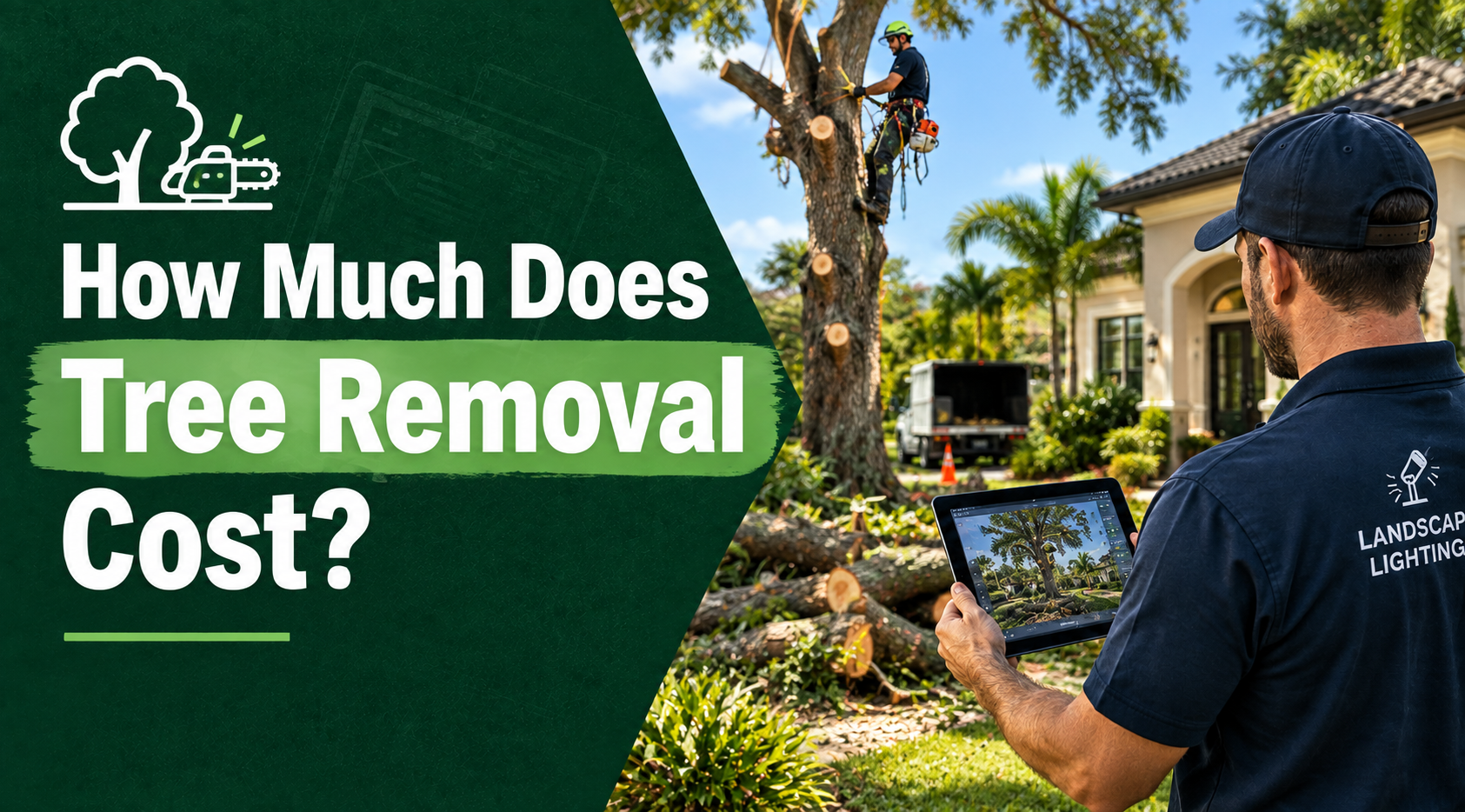
Tree removal is an important service when a tree becomes hazardous, diseased, damaged, or simply too large for its location. However, one of the first questions homeowners ask is, “How much does tree removal cost?” The answer depends on several factors, including tree size, location, condition, accessibility, and the complexity of the work.
Understanding the potential costs can help homeowners plan their budgets and make informed decisions. While every property is different, knowing what affects pricing can make it easier to request an accurate estimate from a professional tree service.
What Is the Average Cost of Tree Removal?
Tree removal costs can vary significantly from one project to another. A small tree in an open area may be relatively simple to remove, while a large tree near a house, power lines, driveway, or other structures may require specialized equipment and additional workers.
Homeowners should be cautious about relying on a single average price because tree removal is highly dependent on individual circumstances. A professional assessment provides a much more accurate estimate than a general online price range.
The total cost may include cutting down the tree, removing branches and logs, hauling away debris, and cleaning the work area. Additional services, such as stump grinding, may be priced separately.
Factors That Affect Tree Removal Cost
Several factors influence the cost of safely removing a tree. When researching how much does tree removal cost, homeowners should consider more than the size of the tree. Its condition, location, accessibility, and surrounding structures can all affect the final estimate. A professional tree service can inspect the property and determine what equipment, crew, and safety precautions are necessary.
Tree Size and Height
Tree size is one of the most important factors in determining removal costs. Taller and wider trees generally require more time, equipment, and labor than smaller trees.
Large trees may need to be removed in sections rather than cut down all at once. This controlled approach helps protect nearby buildings, landscaping, vehicles, and other property.
Tree Location
The location of a tree can make a major difference in the difficulty of removal. A tree standing in an open backyard may be relatively accessible. In contrast, a tree growing close to a home or other structure requires careful planning.
Trees near fences, pools, sheds, roads, or neighboring properties may require additional precautions. The closer a tree is to valuable structures, the more carefully each section may need to be lowered.
Tree Condition
Healthy trees can sometimes be more predictable to remove than trees that have suffered severe damage or decay. Dead, diseased, or storm-damaged trees can have weak or unstable branches, making the removal process more challenging.
A professional may need to conduct a detailed inspection before beginning work. This helps identify potential hazards and determine the safest removal method.
Accessibility
Equipment needs to reach the tree safely and efficiently. If the tree is located behind a narrow gate, on a steep slope, or in an area with limited access, removal may take longer.
Difficult access can increase labor requirements and may require specialized equipment. In some cases, workers may need to move branches and logs manually rather than relying entirely on machinery.
Nearby Power Lines
Trees located close to electrical lines require additional safety considerations. Tree removal around utility lines should only be handled by appropriately trained professionals who understand the risks involved.
The presence of power lines can increase project complexity because branches must be controlled carefully to prevent contact or damage.
Additional Tree Removal Services
The quoted tree removal price may not always include every service a homeowner wants. Asking what is included in an estimate can help prevent unexpected expenses.
Stump Grinding
After a tree is removed, the remaining stump can be ground down using specialized equipment. Stump grinding can improve the appearance of the property and make the area easier to landscape.
The price may depend on stump diameter, root spread, accessibility, and the number of stumps being handled.
Debris Removal
Some companies include branch and log cleanup in their tree removal service, while others may charge separately for hauling debris away. Homeowners should confirm whether cleanup and disposal are included in the estimate.
Emergency Tree Removal
Storms can cause trees or large branches to fall unexpectedly. Emergency removal may cost more than routine tree removal because the work can require immediate response, additional safety measures, or specialized equipment.
A fallen tree blocking a driveway, damaging a structure, or creating a serious safety hazard should be evaluated by a professional as soon as possible.
Why Professional Tree Removal Matters
Tree removal can involve significant risks. Large branches and heavy sections of wood can fall unpredictably, especially when a tree is damaged or structurally compromised.
Professional tree removal crews use appropriate equipment, protective gear, and established safety procedures. They can also assess the surrounding area and develop a removal plan designed to minimize property damage.
Attempting to remove a large or hazardous tree without the proper experience can result in serious injury or expensive property damage. Hiring a qualified professional is often a practical way to manage these risks.
How to Get an Accurate Tree Removal Estimate
The best way to determine the cost of removing a specific tree is to request an inspection and written estimate. When comparing estimates, homeowners should look beyond the total price.
Ask whether the estimate includes:
- Tree cutting and removal
- Branch and log cleanup
- Debris hauling
- Stump grinding
- Equipment costs
- Emergency service fees, if applicable
- Additional charges for difficult access
It is also helpful to ask whether the company is insured and whether its workers have appropriate training and experience.
FAQs About Tree Removal Costs
How much does it cost to remove a small tree?
Small tree removal is generally less complicated than removing a large tree, but the final price depends on the tree’s location, condition, accessibility, and other site factors.
Is tree removal more expensive near a house?
It can be. Trees near houses require additional care because branches or sections of the trunk must be controlled to prevent damage to the structure. More labor or specialized equipment may also be necessary.
Does tree removal include stump removal?
Not necessarily. Many companies price tree removal and stump grinding as separate services. Always ask what is included in the estimate.
Can I remove a tree myself?
Small trees may appear manageable, but larger trees can create serious safety risks. Trees near buildings, vehicles, fences, or utility lines should be handled by qualified professionals.
Does emergency tree removal cost more?
Emergency service may cost more because it can require immediate scheduling, additional equipment, or specialized safety procedures. The exact cost depends on the situation.
How can I save money on tree removal?
Getting multiple detailed estimates, scheduling non-emergency work in advance, and combining services such as tree removal and stump grinding may help manage costs. However, homeowners should avoid choosing a contractor based solely on the lowest price.
Conclusion
Tree removal costs depend on many factors, including tree size, height, condition, location, accessibility, nearby structures, and required equipment. Additional services such as stump grinding and debris removal can also affect the total project cost.
Rather than relying on a general price range, homeowners should arrange an inspection and request a detailed estimate from a qualified tree service. Understanding what is included in the quote can make budgeting easier and help ensure the work is completed safely and responsibly.