Trauma can affect how you think, feel, behave, and connect with other people. Whether you are coping with a painful childhood experience, an accident, abuse, grief, or another distressing event, finding the right support can help you begin healing. However, one important decision is choosing between in-person trauma therapy and online counseling.
Both options can provide meaningful support, but the best choice depends on your comfort level, personal needs, schedule, and access to qualified mental health professionals. For Florida residents, understanding the differences between local therapy appointments and virtual sessions can make it easier to find care that fits everyday life.
What Is Trauma Therapy?
Trauma therapy is a specialized form of mental health treatment designed to help people process distressing experiences and manage their emotional and physical responses. Trauma can contribute to anxiety, depression, sleep difficulties, relationship challenges, and symptoms associated with post-traumatic stress disorder (PTSD).
A trained therapist helps clients develop coping strategies, understand their reactions, and work through difficult memories at a manageable pace.
Common Types of Trauma Therapy
Several evidence-based approaches may help people recover from trauma, depending on their symptoms and treatment goals.
- Trauma-focused cognitive behavioral therapy (TF-CBT): Helps individuals recognize unhelpful thought patterns and develop healthier coping skills.
- Eye movement desensitization and reprocessing (EMDR): Uses a structured approach to help people process distressing memories.
- Cognitive processing therapy (CPT): Helps clients examine beliefs related to traumatic experiences.
- Other trauma-informed approaches: May focus on emotional regulation, grounding techniques, and building a sense of safety.
A qualified mental health professional can recommend an approach based on your history, preferences, and clinical needs.
In-Person Trauma Therapy: Benefits and Considerations
Searching for a local therapist can be a practical starting point if you prefer face-to-face conversations. In-person sessions take place in a therapist’s office or another appropriate clinical setting.
Benefits of Seeing a Local Therapist
Personal interaction: Some people feel more comfortable communicating face-to-face. Being physically present with a therapist may help them feel connected and supported.
A dedicated therapeutic environment: A private office provides a space specifically intended for discussing difficult experiences without the usual distractions of home.
Access to additional local resources: Depending on the provider, in-person care may make coordination with other community services or referrals more convenient.
Hands-on support when needed: Some individuals benefit from the structure of attending appointments outside their homes, particularly when establishing a consistent treatment routine.
Potential Challenges of In-Person Care
Traditional therapy also has practical limitations. Travel time, transportation expenses, work schedules, childcare responsibilities, and office availability can make regular appointments difficult.
People living in rural Florida communities may have fewer nearby specialists, especially if they are looking for an experienced trauma therapist or an EMDR provider.
When searching for an “EMDR therapist near me,” check the professional’s qualifications, treatment experience, availability, and whether the provider offers the specific services you need.
Online Trauma Therapy: Benefits and Considerations
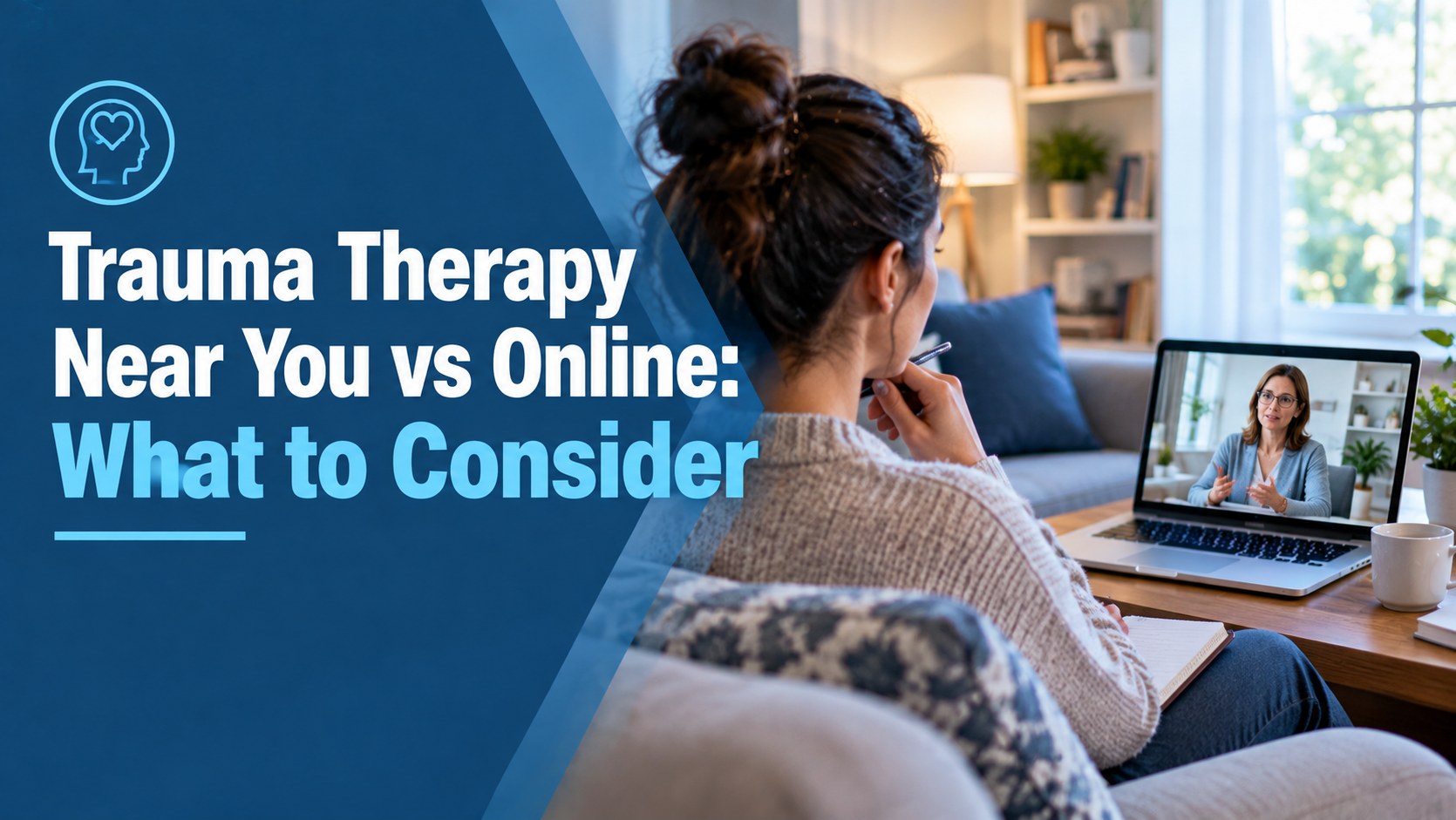
Online trauma therapy allows clients to meet with a qualified mental health professional through secure video sessions. Depending on the provider, services may also include other forms of remote communication.
Online treatment can be particularly helpful for people who have demanding schedules, limited transportation, or difficulty accessing specialized care nearby.
Why Choose Online Trauma Therapy?
Convenience and flexibility: Virtual appointments can reduce travel time and make it easier to fit therapy into your weekly routine.
Greater access to specialists: Online services may allow you to connect with qualified providers elsewhere in Florida instead of limiting your search to your immediate community.
Comfort and privacy: Some people feel more at ease discussing sensitive experiences from a familiar environment, provided they have a private space for sessions.
Continuity of care: Virtual appointments can make it easier to maintain a regular treatment schedule when travel or other responsibilities would otherwise interfere.
Online trauma therapy offers flexible access wherever you are in Florida. If you are searching for trauma therapy near me, consider whether virtual counseling could connect you with a qualified professional who meets your needs without requiring you to travel to an office.
Are There Limitations to Online Therapy?
Virtual sessions require a reliable internet connection, a suitable device, and a private environment. Household interruptions or concerns about confidentiality can make it harder to speak openly.
Online therapy may also be unsuitable for certain individuals or situations, particularly when someone needs immediate crisis intervention, intensive in-person support, or a higher level of care.
A therapist can help determine whether virtual treatment is clinically appropriate. Online care should not be treated as a substitute for emergency services when someone is in immediate danger.
EMDR Therapy Near You vs. Online EMDR
EMDR is an established trauma-focused treatment that can be delivered in person and, when appropriate, through secure telehealth platforms. However, the experience and techniques used may differ depending on the provider and delivery method.
What to Consider When Choosing an EMDR Therapist
If you are looking for “EMDR therapy near me,” evaluate the therapist’s training, experience treating trauma, and approach to creating emotional safety during sessions.
For online EMDR, ask how the therapist adapts treatment for virtual appointments, what technology is required, and whether the method is suitable for your circumstances.
Other important questions include:
- Does the therapist have appropriate EMDR training and professional credentials?
- Do they explain the treatment process and obtain informed consent?
- How do they help clients manage distress during and after sessions?
- What happens if a session becomes emotionally overwhelming?
- Are virtual sessions conducted through a secure platform?
Online EMDR is not automatically the right choice for everyone. A qualified provider should assess your needs and explain the benefits, limitations, and available alternatives before treatment begins.
How to Choose Between Online and In-Person Trauma Therapy
The best option is the one that provides appropriate care while helping you feel safe, supported, and able to participate consistently.
Consider Your Personal Comfort
Think about where you feel most comfortable discussing painful experiences. Some people prefer the structure of an office, while others find it easier to open up from home.
Neither preference is wrong. Your sense of safety and trust in the therapist are important parts of the treatment process.
Evaluate Your Schedule and Budget
Compare appointment availability, travel costs, session fees, and insurance coverage. Ask providers whether they accept your insurance or offer payment options.
Online therapy may reduce transportation expenses, but virtual appointments are not always less expensive than in-person sessions.
Check Credentials and Treatment Experience
Choose a licensed mental health professional authorized to provide services where you are physically located during treatment. For Florida residents, verify the provider’s license and ask about experience treating your particular concerns.
A therapist’s ability to establish trust, explain treatment clearly, and adapt care to your needs matters more than whether sessions happen online or in an office.
Ask About Treatment Goals
Before committing to a treatment plan, discuss what you hope to accomplish. Your therapist should explain how progress will be evaluated, what approaches may be appropriate, and how treatment can be adjusted if your needs change.
Some people may benefit from combining virtual and in-person care when the provider offers both and the arrangement is clinically appropriate.
Frequently Asked Questions
Is online trauma therapy as effective as in-person therapy?
Online trauma therapy can be effective for many people, depending on the treatment, individual circumstances, and therapist’s expertise. However, it is not equally suitable for every person or clinical situation. A qualified provider can help determine the most appropriate format.
Can I receive EMDR therapy online in Florida?
Yes, some qualified therapists offer EMDR through telehealth when appropriate. Ask about their training, remote treatment procedures, privacy protections, and how they manage distress during virtual sessions.
How do I find a qualified trauma therapist near me?
Start by searching professional directories, checking insurance networks, and asking healthcare providers for referrals. Verify the therapist’s license, experience, treatment approach, and availability before scheduling an appointment.
Is online trauma therapy private?
Reputable providers use appropriate safeguards to protect client information. You can also improve privacy by using a secure internet connection, choosing a quiet room, and using headphones. Ask the therapist about their platform and confidentiality policies.
How long does trauma therapy take?
Treatment length varies depending on the nature of the trauma, symptoms, treatment method, and personal goals. Some people benefit from a relatively focused course of treatment, while others need longer-term support. Your therapist can discuss a realistic plan after an initial assessment.
Conclusion
Choosing between local and online trauma therapy is a personal decision that should reflect your emotional needs, practical circumstances, and treatment goals. In-person care offers direct interaction and a dedicated therapeutic setting, while online sessions can improve flexibility and access to qualified professionals across Florida.
Whether you are searching for trauma therapy near you or exploring online EMDR, prioritize a licensed, experienced therapist who respects your boundaries and helps you feel safe throughout treatment. With the right professional support, you can develop healthier coping strategies, process difficult experiences, and take meaningful steps toward recovery.