
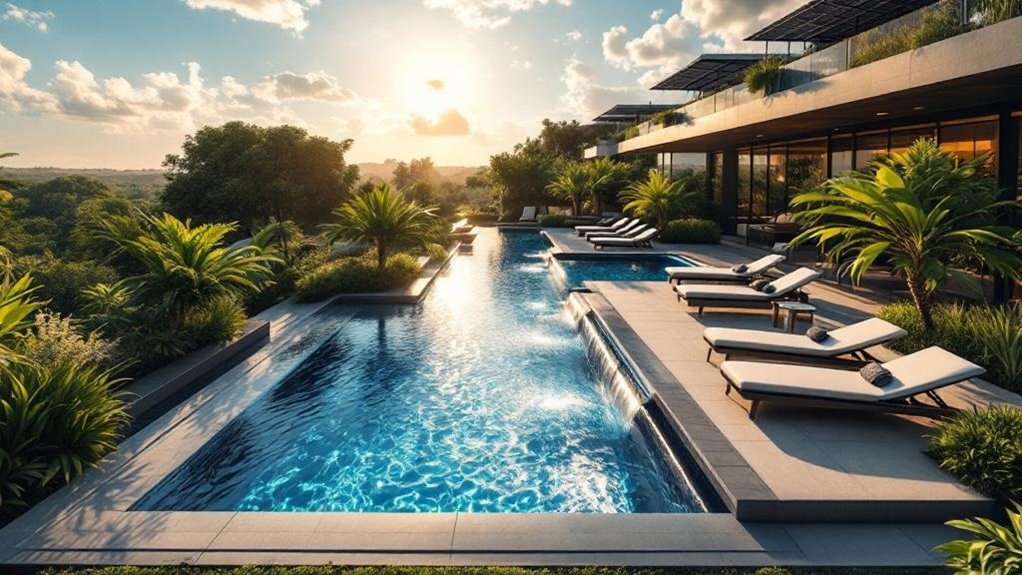
The question of whether sustainable pools are worth the investment merits careful consideration. While the initial costs may be higher than traditional options, the long-term savings and environmental advantages are significant. Homeowners must weigh these factors against their own priorities and lifestyle. Understanding the trade-offs and potential benefits is essential, as the decision could have lasting implications for both finances and the environment. What might those implications be?
Understanding Sustainable Pools
While many may view traditional pools as mere recreational spaces, sustainable pools represent a shift towards environmentally conscious design and functionality. These innovative structures prioritize eco-friendly materials and technologies, integrating features such as rainwater harvesting systems, solar heating, and natural filtration methods. Unlike conventional pools, sustainable pools aim to reduce energy consumption and minimize the use of harmful chemicals. They often incorporate native plants and natural landscapes, enhancing biodiversity and creating habitats for local wildlife. Additionally, sustainable pools can be designed to blend seamlessly with their surroundings, reducing visual impact and promoting aesthetic appeal. This modern approach not only serves the enjoyment of users but also contributes positively to the environment, showcasing a commitment to sustainability in leisure and lifestyle choices.
Initial Costs of Sustainable Pools
Although the initial costs of sustainable pools may be higher than those of traditional pools, these investments can lead to long-term savings and environmental benefits. Sustainable pools typically require advanced technology and materials, such as energy-efficient pumps, solar heating systems, and eco-friendly filtration methods, all of which contribute to higher upfront expenses. Additionally, the design and construction processes often involve more intricate planning and compliance with environmental regulations, further increasing costs. Homeowners may also need to invest in landscaping that supports the sustainable ecosystem. While the financial outlay can be intimidating, potential buyers should consider the quality of materials and technology that promote sustainability, as these factors can enhance the pool’s longevity and overall value in the long run.
Long-Term Savings and Benefits
Sustainable pools offer significant long-term savings through enhanced energy efficiency and reduced maintenance costs. By utilizing advanced technologies and materials, these pools can minimize energy consumption and lower utility bills over time. Additionally, their durability often leads to fewer repairs and replacements, further contributing to cost savings. Regular inspections identify potential issues before they become major problems, ensuring continued efficiency and comfort.
Energy Efficiency Savings
Investing in energy-efficient pool technologies can yield significant long-term savings and benefits that extend beyond mere financial gains. These innovations, including variable-speed pumps, LED lighting, and solar heating systems, often lead to lower energy consumption, reducing utility bills over time. By minimizing energy use, pool owners can also decrease their carbon footprint, contributing to environmental sustainability. Additionally, many energy-efficient systems are designed for durability and performance, which can enhance the overall pool experience. Rebates and incentives for energy-efficient installations may further offset initial costs, making these upgrades financially appealing. Ultimately, the long-term energy efficiency savings from sustainable pools can provide both economic and environmental advantages, making them a wise investment choice for conscientious homeowners.
Reduced Maintenance Costs
Reduced maintenance costs represent a significant advantage for pool owners who choose to invest in sustainable technologies and practices. Sustainable pools often utilize advanced filtration systems and eco-friendly materials that require less frequent replacement and upkeep. These systems can reduce the need for harsh chemicals, minimizing not only costs but also environmental impact. Additionally, features such as automatic cleaning devices and energy-efficient pumps streamline maintenance, allowing owners to spend less time and money on upkeep. Over time, the reduction in maintenance expenses can lead to substantial long-term savings, making sustainable pools an economically sound choice. Ultimately, the lower maintenance costs associated with these pools enhance their overall value and appeal for environmentally conscious homeowners.
Environmental Impact of Sustainable Pools
The environmental impact of sustainable pools is increasingly significant as more homeowners seek eco-friendly alternatives to traditional swimming facilities. Sustainable pools utilize energy-efficient technologies, reducing reliance on fossil fuels. Many incorporate renewable energy sources, such as solar panels, to minimize carbon footprints. Moreover, these pools often use natural filtration systems, promoting cleaner water without the harsh chemicals found in conventional pools. This approach not only benefits the local ecosystem but also conserves water through innovative designs that reduce evaporation. Additionally, sustainable pools can enhance biodiversity by integrating native plants and wildlife habitats. Overall, the shift towards sustainable pools represents a proactive step in addressing environmental concerns, making them a compelling choice for eco-conscious homeowners.
Maintenance and Operational Considerations
Sustainable pools not only offer environmental benefits but also require careful attention to maintenance and operational practices. Regular upkeep is essential to guarantee that eco-friendly systems, such as saltwater chlorination and natural filtration, function effectively. This may involve monitoring water quality, maintaining plant life in biofiltration systems, and checking the efficiency of energy-saving pumps and heaters. Sustainable pools often utilize fewer chemicals, which can reduce the frequency of certain maintenance tasks, yet they still demand diligence in cleaning and balancing pH levels. Additionally, operators should stay informed about sustainable practices and technologies to optimize the pool’s performance. Understanding these maintenance considerations is vital for maximizing the longevity and efficiency of a sustainable pool investment. Furthermore, regular service and maintenance can significantly extend the lifespan of pool equipment and ensure safe swimming conditions.
Comparing Traditional vs. Sustainable Pools
When comparing traditional and sustainable pools, several key factors emerge, including energy efficiency, chemical usage, and long-term cost implications. Sustainable pools often demonstrate superior energy efficiency and considerably reduce the need for harsh chemicals. As a result, they can lead to substantial long-term savings for homeowners.
Energy Efficiency Benefits
Numerous homeowners are increasingly recognizing the significant energy efficiency benefits of sustainable pools compared to traditional options. Sustainable pools often utilize advanced technologies, such as variable-speed pumps and energy-efficient heating systems, which drastically reduce electricity consumption. These pools may also incorporate solar panels to harness renewable energy, further decreasing reliance on conventional power sources. In contrast, traditional pools typically consume more energy due to outdated equipment and less efficient water circulation methods. Additionally, sustainable pools often feature better insulation and thermal covers, which help maintain water temperature and reduce heating costs. Overall, the long-term energy savings associated with sustainable pools can lead to substantial financial benefits, making them a compelling choice for environmentally conscious homeowners.
Chemical Usage Reduction
While traditional pools often rely heavily on chemical treatments to maintain water clarity and sanitation, sustainable pools adopt more eco-friendly approaches that greatly reduce chemical usage. These sustainable alternatives frequently utilize advanced filtration systems, such as saltwater chlorinators or natural biofiltration, which minimize the need for synthetic chemicals. Additionally, sustainable pools often incorporate natural enzymes and minerals that help maintain water quality without the harsh effects of chlorine and other chemicals. This not only benefits the environment but also enhances the swimming experience by reducing skin and eye irritation commonly associated with traditional pool chemicals. Ultimately, the adoption of these greener methods promotes a healthier swimming environment while actively contributing to environmental conservation efforts.
Long-Term Cost Savings
Sustainable pools not only focus on reducing chemical usage but also offer significant long-term cost savings compared to traditional pools. By utilizing energy-efficient systems, such as solar heating and LED lighting, sustainable pools can drastically lower energy bills over time. Additionally, these pools often require fewer chemicals, resulting in reduced maintenance costs and lower water usage. Traditional pools frequently incur ongoing expenses for chemical balancing and repairs due to corrosive materials. Moreover, the longevity of sustainable materials, such as natural stone and advanced filtration systems, can lead to fewer replacements and repairs. To conclude, while the initial investment in a sustainable pool may be higher, the cumulative savings in energy, maintenance, and materials can make them a financially sound choice in the long run.
Making the Right Choice for Your Home
When contemplating the installation of a pool, homeowners must carefully evaluate their options to guarantee the choice aligns with their values and lifestyle. Sustainable pools present an eco-friendly alternative that can enhance both property value and personal enjoyment. Homeowners should assess factors such as energy efficiency, water conservation features, and the materials used in construction. Additionally, it is essential to contemplate the long-term maintenance requirements and operational costs associated with various pool types. Consulting with experts in sustainable design can provide valuable insights tailored to individual needs. Ultimately, the decision should reflect a balance between environmental responsibility and personal preferences, ensuring that the chosen pool becomes a cherished part of the home rather than a source of regret. Regular pipe cleaning can also contribute to maintaining water quality and efficiency in sustainable pools.
Frequently Asked Questions
What Are the Most Popular Sustainable Pool Designs?
Popular sustainable pool designs include natural swimming pools, which use plants for filtration, saltwater pools that reduce chemical use, and energy-efficient models featuring solar heating and eco-friendly materials, appealing to environmentally conscious homeowners seeking alternatives.
Can I Install a Sustainable Pool in Any Climate?
Yes, sustainable pools can be installed in various climates. However, considerations such as local weather patterns, temperature fluctuations, and water availability must be addressed to guarantee ideal performance and longevity throughout the year.
How Does a Sustainable Pool Affect Property Value?
A sustainable pool generally enhances property value by appealing to environmentally conscious buyers. Its energy efficiency, reduced maintenance costs, and unique features can make a home more attractive in competitive real estate markets, potentially leading to higher resale prices.
Are There Government Incentives for Sustainable Pool Installations?
Many governments offer incentives for sustainable pool installations, including tax credits, rebates, or grants. These financial benefits encourage eco-friendly practices, making it more appealing for homeowners to invest in energy-efficient and environmentally responsible pool systems.
What Materials Are Commonly Used in Sustainable Pools?
Common materials used in sustainable pools include recycled glass tiles, natural stone, bamboo decking, and eco-friendly pool liners. These materials not only enhance aesthetics but also promote environmental responsibility and energy efficiency in pool construction.
Conclusion
To sum up, investing in sustainable pools presents numerous advantages that extend beyond initial costs. Homeowners benefit from long-term savings, increased property value, and reduced environmental impact, all while enjoying a beautiful outdoor space. By opting for eco-friendly alternatives, individuals not only enhance their lifestyle but also contribute to a more sustainable future. Ultimately, the decision to invest in a sustainable pool aligns with both personal and environmental responsibility, making it a worthwhile consideration for any homeowner.